
We’re back. With two days until my self-imposed deadline of the closer-to-death-remembrance of my 50th birthday, here’s the next part of my Top 101 TTRPGs I played before I was 50. Have I done the math correctly and actually have left 10 for the final piece? How much does my teenage (and later than teenage) Warhammer fan mug me? Find out below.
20) Nice Marines
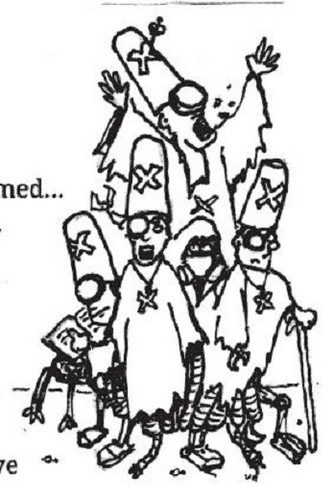
My favourite of Grant’s 1-pagers. You play gargantuan murderous Space Marines trying to deal with a series of diplomatic problems where their skillset of enthusiatic Chainsword application is arguably counter-productive. What could go wrong with these killing machines trying to arrange a fancy party? Everything. Roll too high and you’ve flattened the city block. A perfect example of how comedy is context, and building a series of ridiculous things on top of one another.
19) Legacy: Life Beyond The Ruins
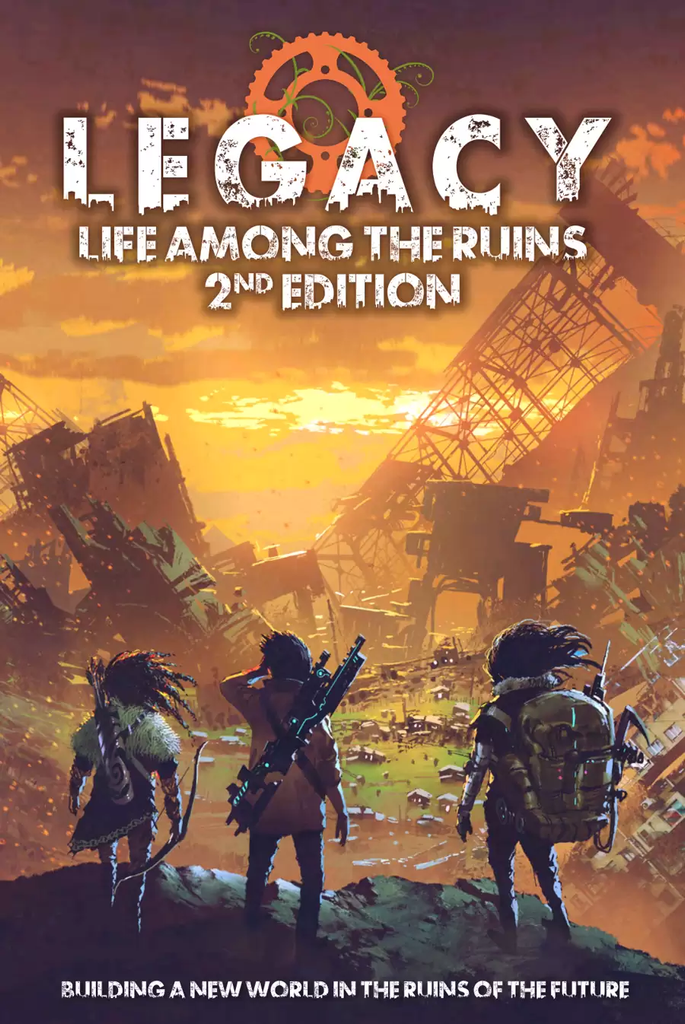
This has a concept so high that it’s in orbit, looking down at us all. We look like ants to Legacy: Life Beyond The Ruins. teeny, Tiny Ants.
It’s basically Sid Meir’s old Alpha Centauri or Civ: the game, except post apocalyptic. You all play a culture in a wasteland. You zoom in and out between the faction level play, and individual heroic figures in your culture. Or maybe you play a supporting character from another culture to support, when your faction isn’t involved. You deal with problems, politic and everything else.
And then you skip forward a decade, a century, a millennium and see where you are, who’s alive, who’s dead and the rest.
When thinking of designers, I often pair Minerva McJanda’s with Rae Nedjadi – both are deeply maximalist in their approach to the extended PBTA family. Rae’s Apocalypse Keys was earlier, and Mina’s Legacy here – and they’re the only two I’ve managed to play, despite buying basically everything both designers too. I suspect I’d find their work more approachable of you stripped out half the moves. But who would do that? Who would snuff out the stars from the sky? Especially when – as messy as this was in play – it created such a glorious mess that I’m thinking of it all these years later.
Legacy also created the single biggest laugh I managed to create at a table. The player were reporting good news to our Frog-species warlord. After a decade, they’d finally managed to reclaim the spawning ground – the only place where the frogs are able to reproduce. As the Forg Warlord, I listened, said “Great” and then stood up and marched from the room. Table in tears.
You probably had to be there, but I urge you to do so. Legacy really is a hell of a game. Hell, it may even be three1.
This is a very broad brush, so excuse the shorthand, but I’m basically a (sigh) System Matters guy. I look at Tales from The Loop, and tilt my head, and wonder how much I actually mean it. This runs off the Year Zero Engine, which I find to be low-overhead, but the “roll a bunch of dice, only sixes matter” just inert at best. But I suspect that depends on what you count as “System”, and I think it’s best to have a particularly wide definition of that – what structures exist in a game that engender the play it wishes.
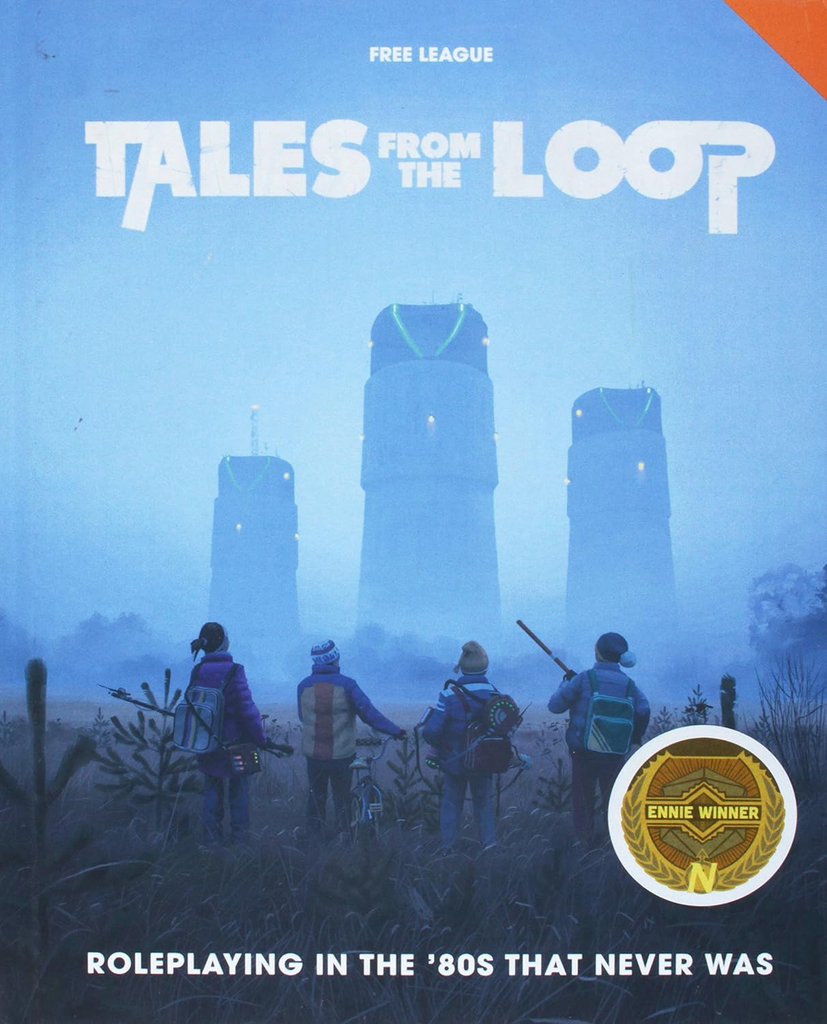
Tales from the Loop is a kids-on-bike game set in an imaginary 1980s, as inspired by the art of Simon Stålenhag, with you playing broadly archetypes that sing. Catching the post-Stranger-Thing waves, I played this three times, and all my characters are just crystal clear in my head – the fearless, big hearted nerd doing lightsaber battles with sticks on the beach, the distant coding kid who we join as he is pinning a JOIN MY ROBOT AND SPACESHIP CLUB flyer on the wall and the 1980s CND grey-trenchcoat-wearing Raincoats-listening intellectual rebel.
One of them was with with the Group, and I think it was actually the game which worked best – which speaks to what Tales From The Loop does. Playing young teens gave the group an excuse to play with a sincere, open heart. The scene I always think of is a break where the Dilettante’s character just sat, starring at his feet, listening to heavy metal music, sitting side by side with a girl in her bedroom. Both just listening, not ready to go further. Teenage embarrassed perfection. While games which plunge into the darker side of this period trip people up, the painful nostalgia and big emotions of Tales From The Loop has landed perfectly every time.
I smile a little. I remember all this stuff intricately. I barely recall the actual mysteries. I’m glad I spent time with my friends, playing people spending time with their friends.
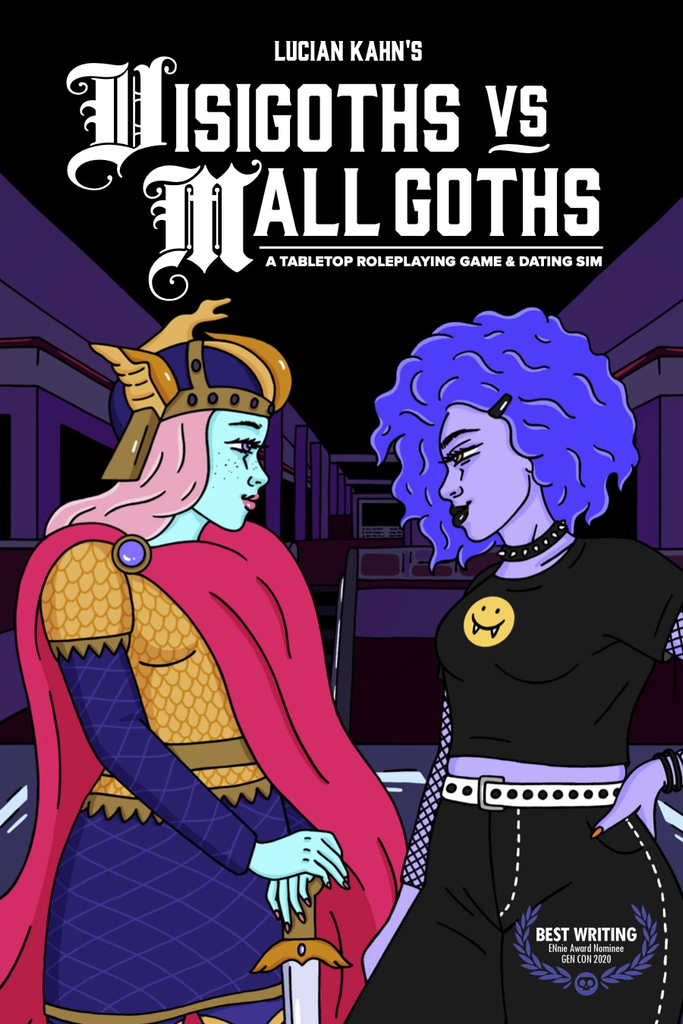
I could probably just leave it as the title.
This is a game which captures the cascading giggles of the mall section of Bill & Ted’s excellent adventure, as a group of visigoths and a group of mallgoths try and come to an understanding in (er) a Mall. As much loved 1990s teen show My (So-called) life put it: School is a Battlefield for your heart. However, in that metaphor, a mall is a dungeon you explore and survive. This makes it literal, using a fictional (pun-shop name heavy! – BIG DISC ENERGY! A FETA WORSE THAN DEATH! And more!) map of a mall as the dungeon. Where do we go shopping? Where do we awkwardly flirt? It’s rare I’ve ever played a game with so much obvious heart. My character – Red Sonya meets Leslie Knope – timidly trying on eyeliner for the first time is the pure burst of joy I always think of, in a game that’s nothing but bursts of joy.
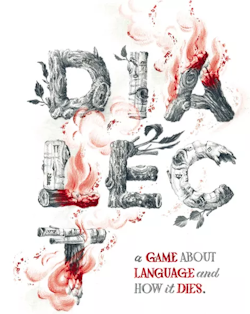
Dialect is a storygame about how languages die. No, not in a “D&D is a game about how orcs die.” You don’t get XP for every language you destroy. It’s not that kind of game. It’s the opposite of that kind of game.
In it, you generate a community who are isolated in some way, with the game charting how that period ends and their language is lost. Scenes are created to illustrate how your shared language is created and evolves – so, to choose an example from our mars-colony set game, the whole place was deeply ramshackle, and you needed to constantly check the seals on the pods. We had a word for someone you trust to have checked the seals – someone you share a pod with, and don’t need to check their work and so on. It’s a special bond of trust, fundamental to our society. As the game continues, new words evolve and others change. It’s educational, and smart, and the kindest hearted of the play-to-lose games on this list. Our game ended with a first contact situation, where we used our word to describe those who trust each other in a pod to describe how the two species need to be together on this planet. That’s poetic, and beautiful, and pure Dialect, and like nothing else.
It’s also the first game (though not the last) which I read and felt like the Gen X monster I am, in terms of its incredibly wholesome, sincere extensive appendices about how you can help preserve languages in your community.
Essentially A24-Dark-Fantasy horror film, where your grimy, doomed treasure hunters head into a forest (figuratively or otherwise) and don’t come out (either figuratively or otherwise.) System wise, a smart mashing of Cthulhu Dark and Blades in the Dark’s best mechanics, and nothing else. I liked it enough to write an incursion (aka Scenario) about a folk horror Tom Bombadil for an anthology.
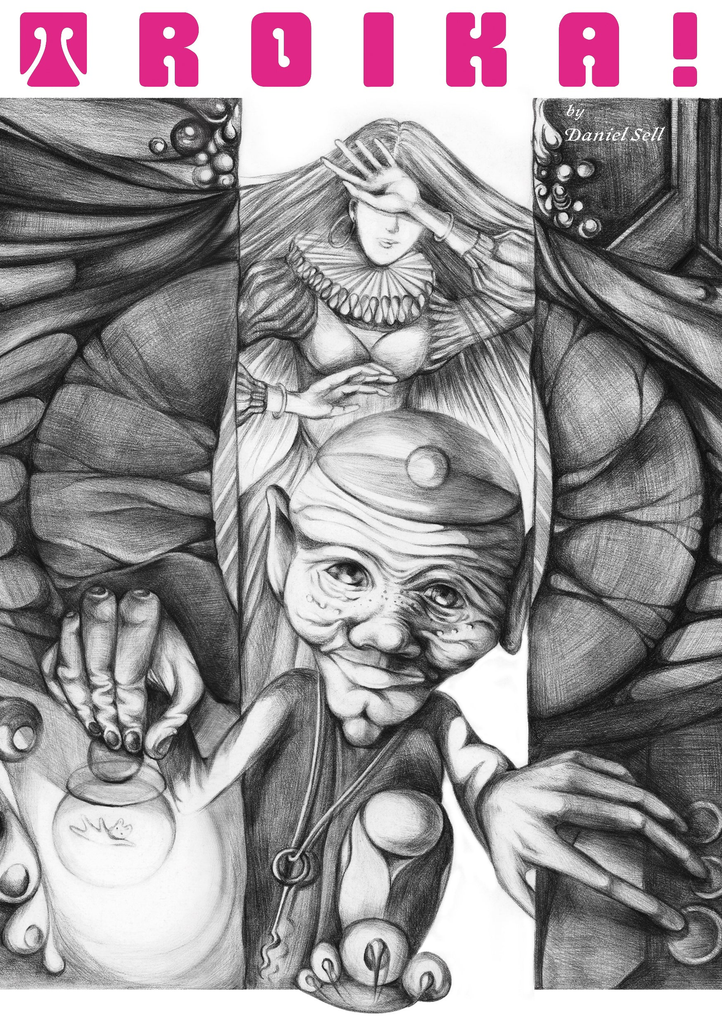
14) Troika
I love Troika. I love it when I play it with all its systems, like its pulling-chits-from-a-bag initiative system, or the one where things at the bottom of your backpack are harder to get out than at the top. I love it when I cut it to its Fighting Fantasy bones, and take its cast of weirdos down a classic dungeon every Christmas.
(For the last five years, I’ve done that for a group of friends. Except not quite that – I run it for two groups of five simultaneously, cutting back and forth between the groups every ten minutes. The fictional wrapper is that they’re in neighbouring dimensions, and are encouraged to use whatever they see to make their own progress through the dungeon. However, they’re also working for Santa, and doing their own Secret Santa – and each team member is trying to find a present for someone on the other team, so they have to pay attention. As you can imagine, enormously silly. Of course, I would run it in Troika.)
It cuts to the chase, grabs you by the neck and throws you down a well of the weird. You can sit down, roll a couple of D6, and suddenly find out what the hell is going on. Maybe you’re a badly-made dwarf. Maybe you’ve had a lombotomy. Maybe you’re a lawyer with D6 swords. Maybe you’re a Star Giant. If so, you definitely don’t know what a Star Giant is. Troika is a game which gives you the chapter headings with implicit connections between them, and lets the book emerge.
At the time of comprising the list, it was my favourite OSR game. If you’re being a stickler for definitions and think Mythy B isn’t quite OSR-y enough, it still is.
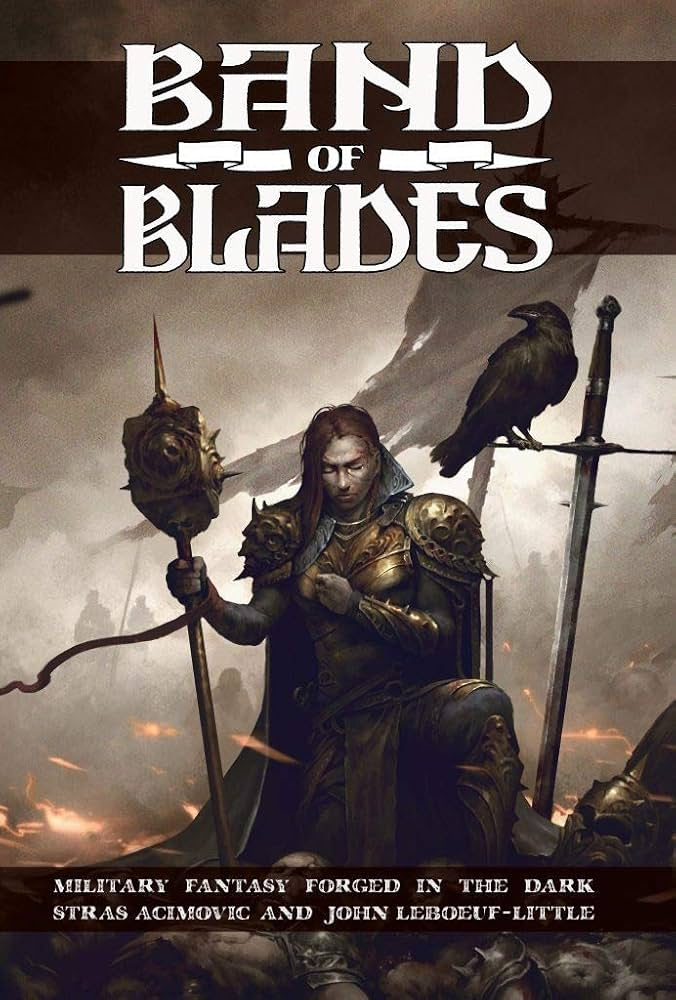
If it wasn’t for Band of Blades, maybe you wouldn’t be reading this. It’s a Forged In the Dark game with a firm campaign setting, where you play a military unit on the run from the undead horde that just crushed the last alliance of elves and men (or local version thereof). Each of you play one of the elite soldiers in the unit. If they’re injured, you play one of the normal soldiers in the unit. You also play the commanding officers in the unit, choosing which missions to priortise and who to send to their death. Troupe play, on multiple levels.
It’s a game which clearly asks a lot from its players – each of your commanding officer roles has a firm area of authority, which brings it close to a GMful game. To have the best experience, we wanted to get players together who would rise to that challenge – which led to our group of 4 mostly-Forever-GMs, and – after we were done with Band of Blades – led to our stable gaming group, which led to Jim and me deciding we want to ramble about games.
My officer was the Marshall, and my job was keeping track of the soldiers in our unit – who they were, who was injured and so on. The moment the game took off for me was when all the 40 or so soldiers in our unit had a name and a little bio, and every single decision, injury and death became loaded. “Oh, Hans – he’s the one with a fiance at home, right? Er… I think we still have to send Hans.”
I think of Band of Blades, and am aware of how much richer and rewarding it was for asking this level of unusual commitment. And, as a designer, if you make that leap of faith and assume that folks for up for that, you can create magic.
Band of Blades makes me think: imagine how interesting a game can be if you write for the people who want to play your game rather than worrying about the people who don’t.
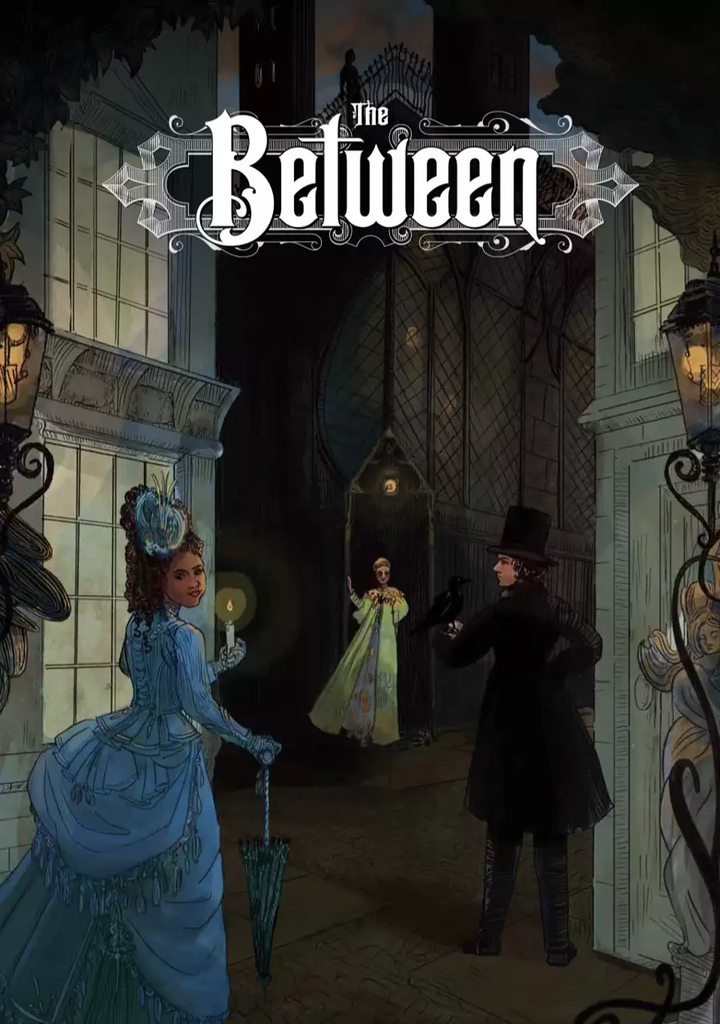
We’ve written a bunchy about The Gauntlet’s Penny Dreadful ‘em Up. It was the favourite thing I’ve ever ran for Jim. I found it stressful, in that while the game design makes you very good, I was aware that if I had more brainspace, I could have done better. It makes me want to go back and do better – and with all the context that exists and the other stuff that’s coming out, there’s every chance I will. It’s rare I run a long campaign and think “Again! Again!” and this nailed it. Gargantuan, messy, dramatic, emotional story-forward mechanic-as-medium big boy game design.
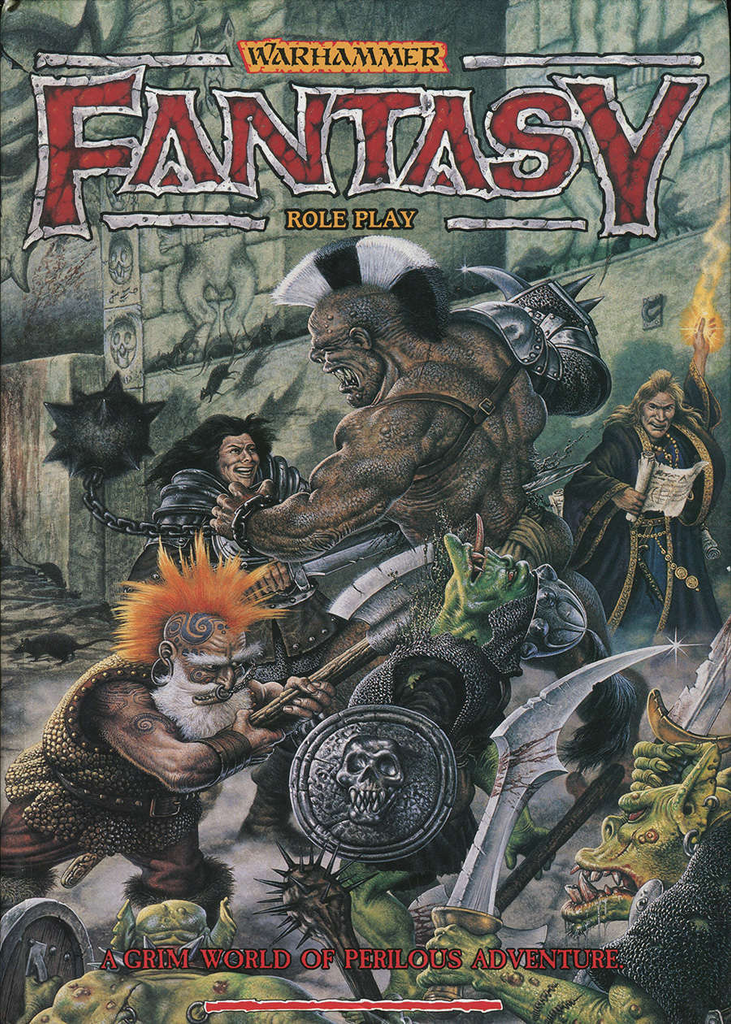
11) Warhammer Fantasy Roleplay 1st Edition
But, fancy game design is all very well and good, but what can compare to your big teenage RPG campaign? I played all the way through the Enemy Within Campaign as pre-generated character Harbull Furfoot, who I turned into a halfling radical demagogue. I believe he ended up as Chancellor of Nuln. Not bad for a little fella from the Moot.
This is my gaming adolescence right here – I find myself thinking about that journey. Starting with a pre-gen, and becoming a person. That’s what Harbull was doing, and so was I. At the start, it’s little more than adventure of the week. It rapidly turns into the Warhammer take on Call of Cthllhu, and we make such a mess of things that a town is lost to a demonic incursion. Eventually, we arrive in Middleheim, and turn from people whose instant response to arriving in a town is “go down sewer, look for Skaven” to people who are embroiled in an intense, political murder mystery drama. After that., when we return to the adventuring in Empire In Flames, its disappointing. My tastes had changed as I moved through the game. An irony: Warhammer Fantasy Roleplay is a game without levels, but I feel I definitely levelled up.
It’s an interesting game to have as your big teen game too. It’s grimdark, sure, but while the wargame side of Warhammer is all about the operatic, impossible scale, this is a game where the iconic character is a ‘orrible ratcatcher with that small and viscous dog. It’s a game without levels, with character progress mainly from switching careers. Your character sheet is a particularly honest CV – “So, Chancelllor of Nuln, how did you learn Firebreathing?” It’s very British, nearly social-realist compared to the trad Fantasy options. Also, the “Skaven? Don’t be silly – they’re just Beastmen” gag remains funny.
Actually, let’s end with the anecdote I always think of when thinking of WHFRP, specifically when I ran it.
The party is pursuing a Skaven across town. The ratman dives headfirst into a cess pit, and burrows away from them.
My younger brother says.
“I jump straight in after him”
A moment’s pause.
“Kieron, what’s a cess-pit?”
Diving head first into shit to try and catch an ‘orrible ratman. That’s Warhammer Fantasy Roleplay, and is, very much, my shit.
Next: Top 10, right? Hopefully on the 30th!
- Joke stolen from Brian Michael Bendis’ Fortune & Glory, which you should get. One of my fave hollywood memoirs.

Kieron Gillen lives in Bath, for a certain value of the word “lives”.
It’s so good to see someone else praising Troika!’s Bag O’Intitative. I adore it.
Very interested in Band of Blades, but I’ve always been put off because (whisper) I bounced of Blades in the Dark super hard.
WFRP is a comedy game. That is the hill (of shit) on which I will die (of cholera, probably).